Depression & Mood Disorder Counseling

Are You Feeling Like Nothing’s Going Right?
Life can be tough, and sometimes it feels like every step is a struggle, leaving you feeling discouraged and overwhelmed.
Do You Feel as Though You Are Carrying a Heavy Burden?
It’s as though there is an invisible weight on your shoulders, making it difficult to find motivation and joy.
Have You Lost Your Optimism and Spark?
As it becomes harder to pull yourself up by your bootstraps, you long to feel more energized and hopeful but are unsure on how to get there.
Life doesn’t have to feel like a giant pit of quicksand where the more you try to free yourself, the deeper you sink. It’s just that your strategies aren’t working so it’s time to reach out for professional assistance. Our therapists are trained in effective depression and mood disorder treatments and are ready to walk with you toward reset and healing.
With professional help you can thrive, not just survive.
Remember, you are not alone. We understand, and we are here to help.
Our Providers at Lotus are here to help you break the vicious cycle of mood and depression concerns. We are here to support you in leaning into, rather than fighting, the discomfort of “quicksand”, gaining the right tools to break through. It’s easy to lose perspective and not see how we contribute to our own struggles. We are here to help you regain clarity, perspective and hope.
Understanding Depression & Mood Disorders as They Don’t Always Look the Same
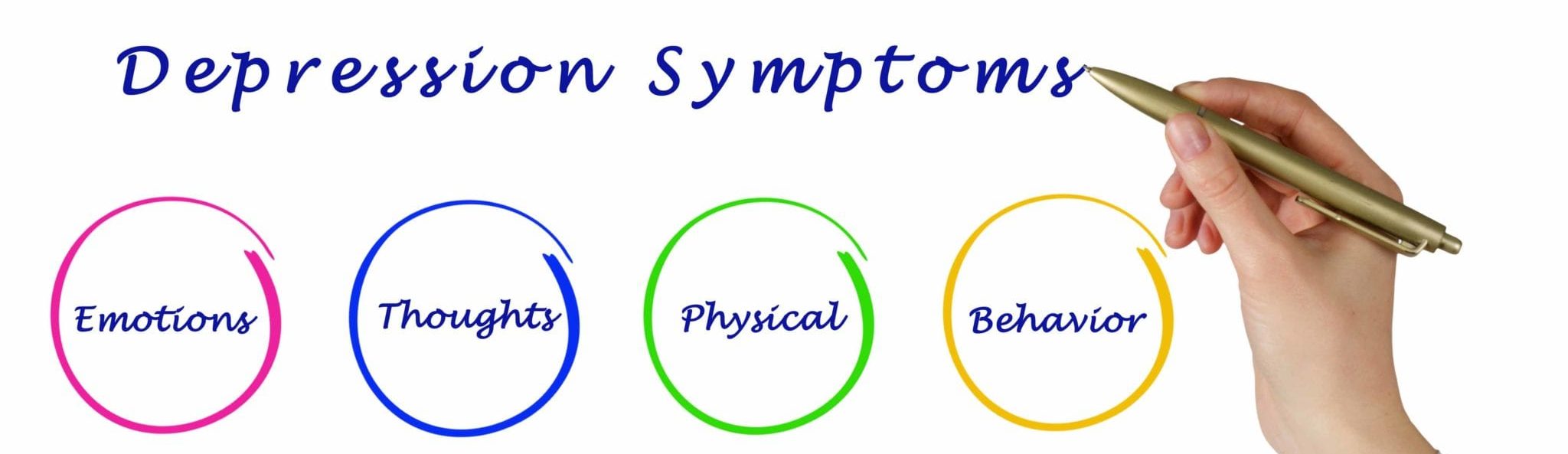
Depression and mood disorders are complex conditions that can manifest in various ways, affecting people differently.
Recognizing the Symptoms
You will benefit from therapy if you experience some of these symptoms:
You find it harder to get out of bed OR experience an increased or decreased need for sleep (i.e. with bipolar disorder)
You feel unmotivated and fatigued
You have difficulty with focus and memory
You’ve noticed changes in your appetite
You cry more often than usual and sometimes for no apparent reason
You have been isolating yourself more
Things in your life aren’t enjoyable these days
You experience mood swings ranging from periods of euphoria or irritability to sadness or even hopelessness
Mood cycling and increased energy or restlessness.
You engage in impulsive or reckless behaviors
You have an elevated sense of self-esteem believing you can accomplish anything
Here are some of the common types of depression and mood disorders:
Dysthymia
People with dysthymia usually feel like they have little or no joy in their lives. Things seem gloomy most of the time. If you have dysthymia, you may feel like you’ve been depressed your whole life. You may have a hard time enjoying things and having fun. You might tend to be withdrawn, worry frequently or criticize yourself as being a failure. You may feel guilty, worthless, or have difficulties with sleep.
Major Depressive Disorder
People dealing with depression experience a low mood or lack of interest in pleasurable activities, and also may experience sleeplessness or oversleeping, feelings of worthlessness or guilt, fatigue, feeling slowed down, and suicidal ideation.
Symptoms of major depression can also include feelings of sadness, changes in appetite, loss of motivation or pleasure in life, difficulties with attention and concentration, memory issues. For some, these periods come on fairly suddenly and strongly and tend to last for a few weeks to a few months. For others, the feelings of sadness, hopelessness, low self-esteem, and general dissatisfaction with life are more pervasive and longstanding; it may be difficult to remember a time when you did feel satisfied with life.
Bipolar Disorders
Bipolar disorders are characterized by alternating states of depression and mania or hypomania. These mood swings can last for days, weeks, or even months. There are two main types:
Bipolar I Disorder: This type involves severe manic episodes that last at least seven days or are so severe that immediate hospital care is needed. Depressive episodes typically last at least two weeks. It’s also possible to have episodes of mixed features, where symptoms of both mania and depression occur simultaneously.
Bipolar II Disorder: This type involves a pattern of depressive episodes and hypomanic episodes, which are less severe than the manic episodes in Bipolar I. Bipolar II is often characterized by longer periods of depression, which can be debilitating.
Seasonal Affective Disorder (SAD)
When the season moves into winter, the days grow shorter, and the skies turn gray, do you find that your mood darkens as well? If so, you’re not alone. Approximately 10% of Americans experience a lower mood during the winter months, and this rate is as high as 20-30% of people in North America.
The “winter blues” can develop into something more serious. Spending less time outside (rain or shine) can contribute to SAD and even associated levels of vitamin D.
Symptoms subside for many during spring and summer. Symptoms of SAD include the increased need for sleep, daytime fatigue, irritability, decreased activity, decreased concentration and ability to think clearly, decreased sex drive and increased appetite.
Grief and Loss
Grief and loss can trigger depressive symptoms as you navigate through emotional pain and adjustment.
Postpartum Depression
Mood concerns can also arise from postpartum changes. Our team can address postpartum difficulties and help you navigate parenthood and family life.
We are here to support you through these various types of depression and mood disorders, helping you find the path to recovery and well-being.
Co-occurring disorders we treat along with depression include:
If you are experiencing any of these, see our service page for these concerns to learn more about them and Lotus treatment. We address and treat a wide range of concerns from stress management and general mental health and wellness, transitions and identity concerns to specialized mental health for concerns such as eating disorders. This list is an example of concerns we treat. If you don’t see a specific concern please contact us with questions. We are happy to connect with you. This is a sample of how we work and what you can expect at Lotus. We are deeply passionate about mental health and wellness as well as social justice issues.
While the clinical approach of our team members varies some within the spectrum of evidence-based approaches, ranging from mindfulness-based cognitive behavioral therapies such as Dialectical Behavioral Therapy and Acceptance and Commitment Therapy to Prolonged Exposure treatment, all of us believe in and conduct our work from a place of empowerment and inclusion, drawing from multicultural competence.
FAQ About Therapy for Depression
- You will fortify self-compassion and coping skills to allow you the flexibility of responding to difficult emotions and thoughts effectively, letting go of the struggle
- You will learn emotion regulation, distress tolerance, and interpersonal effectiveness skills
- You will clarify your values and take action in a meaningful way, identifying what really matters to you, living a fuller and a more meaningful life
- You will be able to reach beyond suffering and depression to a larger sense of purpose
Depression counseling at Lotus Consulting is intended to help you rediscover what makes your life worth living. Rather than simply helping you to just feel better, we help you live better. We walk with you, making small steps you need in order to trust the process and keep moving forward. Together, you and your therapist will work to navigate your feelings and thoughts effectively in the present, build hope around your future and regain momentum to make bigger changes.
At Lotus Consulting, we use evidence-based treatments informed by the best available science and proven effective through research and practice. Our weekly sessions are 55 minutes long and begin with an initial assessment meeting. During this meeting, we gather key information about your reasons for seeking therapy, including factors like genetics and your environment, to understand your thought processes, emotions, and coping strategies. This helps us tailor the best protocols to your situation and develop a plan to put you back on the path to satisfaction, joy and purpose.
We accept a variety of insurance plans, including Blue Cross, Blue Shield, Blue Care Network, Premier Care, Michigan Care, Aetna, United Healthcare, Priority Health, Multiplan, and Cigna via Multiplan. If your insurance plan offers out-of-network benefits, we can provide you with a superbill to submit to your insurance.
Our out-of-pocket fees range from $145 to $170, and we offer some sliding scale options. We accept payments via cash, check, credit card, and HSA/FSA cards.