Anxiety & Stress relief Counseling

Your mind has been preoccupied with the future, always thinking about the next thing, next minute or day, wondering how things will go, trying to predict and control the outcome. You are ready to stop being so consumed and distracted by stress and worry.
You would like to feel more relaxed and in control but when it comes to getting a handle on your life, it seems the more you try the harder it becomes.
You are a planner. You like to know and have influence over what comes next. After all, this approach often worked for you and things were not always this bad.
You did not always feel consumed by anxiety.
There were and still are times when checking and planning works, even if the results are only short-term. In fact, you used to believe that if you just stay on top of things, plan and prepare diligently you will avert unfavorable outcomes and feelings of anxiety, inadequacy, and shame.
But now, the coping strategies you have come to rely on are not working and you seem to be caught in a vicious cycle, feeling stuck and even more anxious. Your attempts to prevent or avoid feared situations and outcomes has only made it harder for you to relax and go with the flow of life.
Your efforts to avert anxiety just don’t seem to be working. Like quick sand, the more you try to fight stress, anxiety, and worry, the deeper you seem to sink. At times you wonder if freedom from worry and overwhelm is even possible. The thought of things not getting better has crossed your mind. You are aware of just how much energy and space worry and anxiety have taken from you and living life fully. You are uncertain and tired.
We are here to help. You can live a life free of the perpetual haze of stress and worry.
You don’t have to spend so much of your life fighting anxiety and stress.
Ready to TAKE THE NEXT STEP?
Our therapists are trained in anxiety treatments, ready to walk with you on a path to more peace, joy, and satisfaction.

When you seek help for anxiety at Lotus:
You will gain an understanding of the vicious cycle you are caught in with your anxiety
You will build a different relationship with thoughts, feelings physical sensations that come with anxiety and stop fighting them
You will increase your ability and willingness to experience the present moment fully
You will develop a plan to pursue life meaningful to you in a committed action plan regardless of anxiety
Not all anxiety is bad. We need anxiety to cross the street safely for example. Some anxiety helps us perform at higher level. It is the vicious cycle of chronic, prolonged stress and anxiety and the way we fight it that get in our way.

Anxiety therapy at Lotus Consulting
Anxiety counseling at Lotus is intended to help you build a different relationship with anxiety and worry, learning to engage with fears without allowing them to rule your life. Together with your therapist you will learn to loosen the grip of deeply rooted fear patterns of insecurity and limiting beliefs standing in your way of pursuing the life you want.
We do what works

What to expect
We use evidence-based treatments informed by best science available and what research and direct practice have shown to be effective.
Our weekly sessions are 55minutes long.
Anxiety counseling begins with an initial assessment meeting during which we gather key information about what brings you in and related factors ranging from genetics to information about your environment. This helps us understand your thought process and how you navigate the world including emotions and coping strategies.
We are trained to solicit the right information and apply the best protocols tailored to your situation. We are here to help you get better. You will develop a plan to put you back on the path to your best life.
Insurance and payment options
We accept Blue Cross, Blue Shield insurance, Blue Care Network including Premier Care, Michigan Care, Aetna, United Healthcare, Priority Health, Multiplan and Cigna via Multiplan. We are also happy to provide you with a superbill that you can submit to your insurance. Some insurance plans offer out of network benefits. Our out of pocket fee is $145 – $170 and we have some sliding scale options.
We accept cash, check and credit payments as well as HAS/FSA cards.
More About Lotus Consulting
We have number of therapists providing counseling for anxiety at Lotus.
We understand, and we are here to help.
Our professional team at Lotus is here to help you break that vicious cycle, lean into rather than fight discomfort of “quick sand” in order to “get out”. It’s easy to lose perspective and no longer see how we contribute to our struggle. We are here to help you regain clarity and perspective.
You can feel steadied and confident again.
Connect with us. Get professional support and learn effective skills to manage stress and anxiety. Capitalizing on your potential is possible. Even though the pressure you face has led you to feeling lost or discouraged, it doesn’t mean you can’t start feeling joy, contentment, and satisfaction again.
At Lotus Consulting we offer safe and judgment free environment and a deeply caring, compassionate and highly trained professional, multidisciplinary team. You can begin to recover while feeling heard. We offer emotion regulation, distress tolerance skills, interpersonal effectiveness skills, mindfulness and acceptance training and more. We help you expand your psychological flexibility and pursue valued living.

Live the life that is meaningful to you
Our team of licensed therapists will help you refocus on what you value in life by cutting through the noise and distractions of anxiety, leaning into discomfort and integrating effective tools.
Our mission
Our mission is to provide a deeply caring, compassionate care, safe and judgment free environment coupled with evidence-based therapies to help you and all of our clients live a richer, fuller and more satisfying life.
Through the use of mindfulness-based cognitive behavioral therapies such as Acceptance and Commitment Therapy and Dialectical Behavior Therapy we help you manage painful emotions and experiences, increase tolerance of distress, let go of struggle, living mindfully and getting clear on what really matters to you. We help you to navigate feelings and experiences effectively.
You can feel confident, empowered, hopeful and connected again.
We are dedicated to high standard of ethical and effective care.
We are passionate about mental health and wellness as well as social justice issues.
The clinical approaches of our team members vary within the spectrum of evidence-based treatments ranging from mindfulness based cognitive behavioral therapies such as Dialectical Behavioral Therapy and Acceptance and Commitment Therapy to Prolonged Exposure treatments. All of us at Lotus believe in and conduct our work from a place of empowerment and inclusion, drawing from multicultural competence.
Who benefits from anxiety counseling
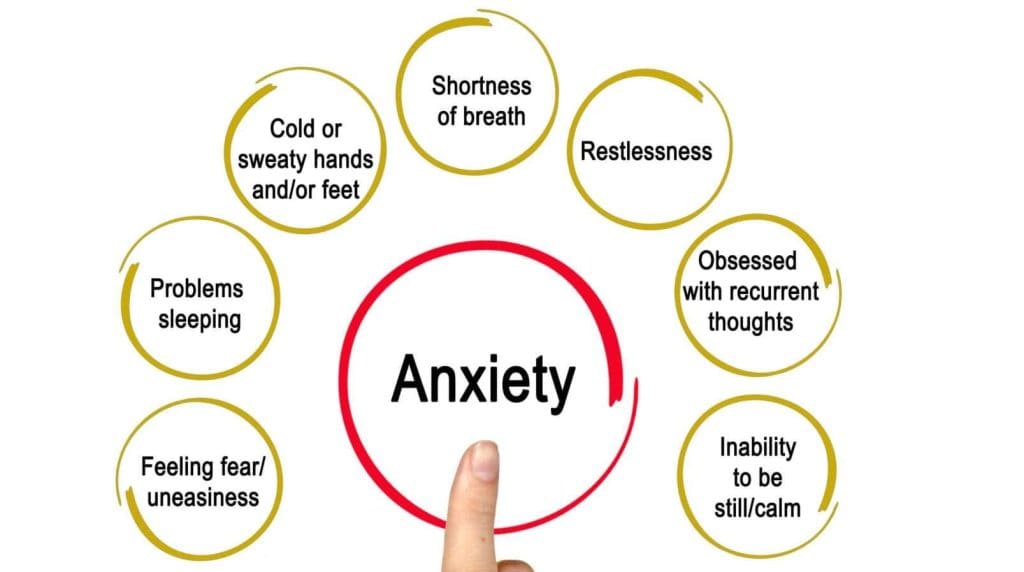
Anxiety therapy is best for those who fit DSM diagnostic criteria for anxiety disorders, related physical symptoms and concerns such as:
worry
sleep and focus difficulties
tension and feeling on edge
fear of and avoidance of social situations, people, places and things including public speaking, exams and more
anxiety or panic attack symptoms such as rapid heart rate, chest tightness, difficulty breathing, racing thoughts, difficulty concentrating, sweaty palms
Lotus Consulting is a premier outpatient treatment, psychotherapy and wellness center helping adult clients 18 years old and older with loss and grief, food, body image concerns, eating disorders, addictions, stress, anxiety, depression and mood concerns, trauma, relationships, transitions, performance enhancement and more. Located in Ann Arbor, Lotus is easily accessible to individuals in Ypsilanti, Dexter, Chelsea, Saline, Plymouth, Canton, Brighton and surrounding areas. Find out more about us HERE.
Types of anxiety disorders
There are several types of anxiety disorders.
These include generalized anxiety disorder (GAD), phobias including social phobia, panic disorder.
Generalized anxiety disorder is characterized by worry about everyday things such as the health of family members or work/school performance. During the course of one’s GAD the focus of the anxiety may shift from one area to another. The duration, frequency, or level of anxiety is out of proportion with the likelihood or actual impact of the feared event. People with GAD have difficulty controlling their worry, and they often experience muscle tension, restlessness, difficulty concentrating, irritability, disturbed sleep, and fatigue, as well as other physical symptoms. Many individuals with GAD report having been nervous and anxious their whole lives. Anxiety can continue throughout ones life, often fluctuating depending on stressors that may come up. Anxiety in general has a tendency to run in families.
Social anxiety disorder/ phobia is characterized by fear of discomfort in social situations including public speaking and performance situations. Individuals affected by social anxiety often anticipate they will be judged, fear making bad impressions, doing something embarrassing. Many individuals with social anxiety avoid feared situations and experience significant level of anticipatory anxiety connected to actual or perceived poor performance and a vicious cycle in the future. This can interfere with relationships, school and work performance.
Panic disorder involves worry and other symptoms as well as panic attacks. A panic attack is a sudden surge of overwhelming fear that can come without clear reason or warning. Individuals experiencing a panic attack report racing heart rate, difficulty breathing, dizziness, lightheadedness, nausea, trembling, sweating, chest pains and an overall fear that something terrible is about to happen. For some this can resemble symptoms heart attack.
Phobias are the most common type of anxiety disorder. A phobia is characterized by an intense and unreasonable fear of a specific object or situation. This means having an extreme anxiety response towards something that is not causing immediate danger. Someone may have a phobia of needles, snakes or planes, for example.
Post Traumatic Stress Disorder or PTSD is a commonly misunderstood illness. PTSD happens after experiencing or witnessing a traumatic event. Symptoms include flashbacks of the event, nightmares about the event or a similar experience, frequent anxiety that wasn’t there before and intrusive, uncontrollable thoughts about the event. Symptoms can last a few months or many years. Some people see their PTSD symptoms decrease over a short period of time where others experience consistent symptoms or “flare ups” after a stressful event. Individuals who have a complex PTSD have multiple traumas over the course of their life such as sexual abuse as a child coupled with multiple abusive and unhealthy relationships.
ANXIETY TREATMENT
With anxiety disorders, knowledge and understanding are key. The more you understand about your anxiety and where it originated, the more in control you feel. If you are suffering from an anxiety disorder, we will help you to understand it, identify triggers that cause anxiety and help you learn effective and specific interventions to cope with it as it happens. Becoming more aware of your anxiety, labeling it, learning where it came from and what purpose it serves can help you. Additionally, as you implement skills taught and begin experiencing success in managing your anxiety where you can cope with it instead of it controlling you.